Writing Long-Form Content that Ranks: A Step-by-Step Guide to Creating Keyword-Rich Articles
Welcome to this comprehensive guide on writing long-form content that ranks high on search engines. In this tutorial, you will learn how to create high-quality, keyword-rich articles that attract and engage your target audience, driving more traffic to your website and increasing your online visibility. By following these steps, you'll be able to craft compelling content that not only ranks well but also resonates with your readers, ultimately boosting your brand's authority and credibility in your niche.
Step 1: Define Your Target Audience and Identify Relevant Keywords for Long-Form Content Creation
Before you start writing, it's essential to understand who your target audience is and what they're looking for. Conduct thorough research to identify your ideal reader's demographics, interests, and pain points. Use tools like Google Keyword Planner, Ahrefs, or SEMrush to find relevant keywords and phrases related to your topic. For example, if you're writing about fitness, your target keywords might include "workout routines," "healthy eating," or "weight loss tips." Remember to use a mix of short-tail and long-tail keywords to cater to different search queries. 
Step 2: Plan and Outline Your Long-Form Content for Better Organization and Keyword Integration
Once you have your keywords, it's time to plan and outline your content. Create a clear structure for your article, including an introduction, body, and conclusion. Break down your content into sections or subheadings, and ensure each section flows logically into the next. Use your target keywords throughout your outline, especially in headings and subheadings, to help search engines understand your content's relevance. For instance, if you're writing about "how to write long-form content that ranks," your outline might include sections on "defining your target audience," "conducting keyword research," and "optimizing your content for SEO." 
Step 3: Write Engaging and Informative Long-Form Content that Resonates with Your Audience
Now it's time to start writing. Use a conversational tone and focus on providing value to your readers. Make sure your content is engaging, informative, and easy to understand. Use storytelling techniques, examples, and anecdotes to illustrate your points and keep your readers interested. Avoid jargon and technical terms unless necessary, and always define them when used. Use your target keywords naturally throughout your content, but avoid keyword stuffing, as it can harm your article's readability and SEO. For example, if you're writing about "long-form content marketing," you might use phrases like "creating high-quality content," "driving more traffic," or "increasing online visibility" to support your points.
Step 4: Optimize Your Long-Form Content for SEO with Keyword-Rich Meta Tags and Descriptions
Optimizing your content for SEO is crucial to ranking high on search engines. Use your target keywords in your meta title, description, and headings to help search engines understand your content's relevance. Ensure your meta title is attention-grabbing and descriptive, and your meta description provides a clear summary of your content. Use header tags (H1, H2, H3, etc.) to structure your content and highlight important keywords. For instance, if you're writing about "how to write long-form content that ranks," your meta title might be "Writing Long-Form Content that Ranks: A Step-by-Step Guide" and your meta description might be "Learn how to create high-quality, keyword-rich articles that attract and engage your target audience, driving more traffic to your website and increasing your online visibility."
Step 5: Edit and Refine Your Long-Form Content for Clarity, Coherence, and Keyword Consistency
After you've finished writing, it's essential to edit and refine your content. Review your article for clarity, coherence, and consistency, and make sure it flows logically from start to finish. Check for grammar, spelling, and punctuation errors, and ensure your formatting is clean and readable. Use tools like Grammarly or Hemingway Editor to help you refine your content and improve its readability. Finally, review your keyword usage to ensure it's natural and consistent throughout your article.
Step 6: Publish and Promote Your Long-Form Content to Reach a Wider Audience
Once you've refined your content, it's time to publish and promote it. Use a content management system like WordPress or Medium to host your article, and make sure it's optimized for mobile devices and different screen sizes. Share your content on social media platforms, email newsletters, and other online channels to reach a wider audience. Engage with your readers by responding to comments and creating a community around your content. Use paid advertising or influencer marketing to amplify your reach and drive more traffic to your website.
Frequently Asked Questions (FAQs) about Writing Long-Form Content that Ranks
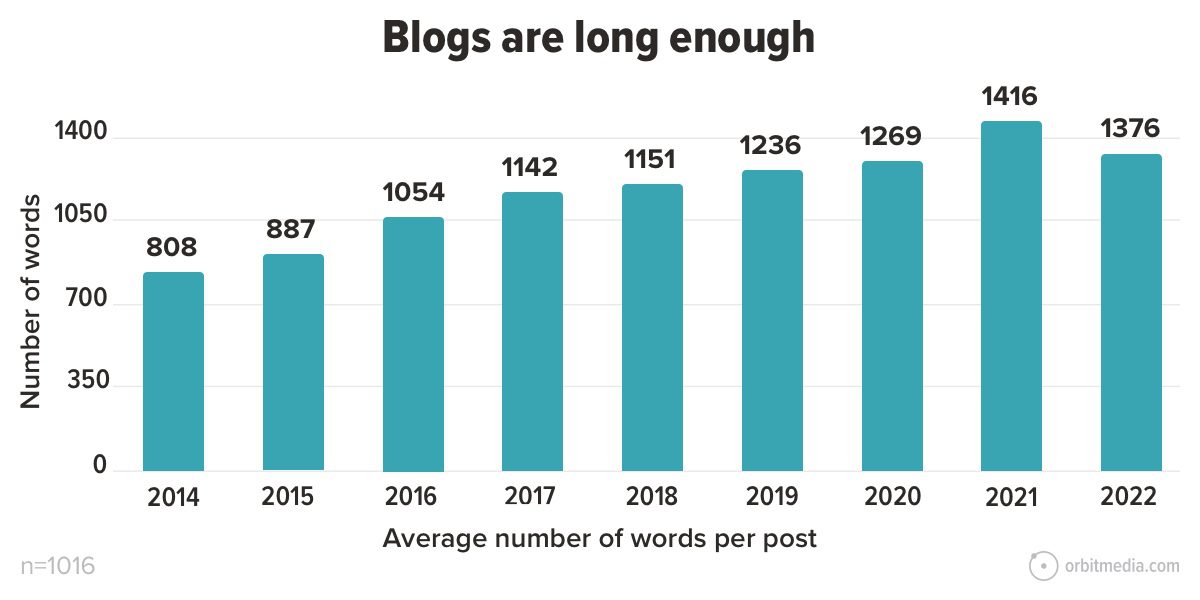
Q: What is the ideal length for long-form content? A: The ideal length varies depending on the topic and audience, but aim for a minimum of 1,000 words to provide comprehensive coverage and value. Q: How often should I publish long-form content? A: Publish regularly, but prioritize quality over quantity. Aim for at least one high-quality article per week, but adjust according to your resources and audience engagement. Q: Can I repurpose existing content into long-form content? A: Yes, you can repurpose existing content like blog posts, social media posts, or videos into long-form content. Update and expand on the existing content to provide more value and depth.
How To Write Long-Form Content | Brafton

How To Write Long-Form Content | Brafton
How To Write Long-Form Content | Brafton
How To Write Long-Form Content | Brafton
Long-Form Content Ranks High, But Short-Form Still Ranks - MyVenturePad.com
Long-Form Content Ranks High, But Short-Form Still Ranks - MyVenturePad.com